
Ultimate Guide to Foundation Repair Products for Stable Foundations
Get insights into top products that help reinforce and restore your foundation's strength and stability.
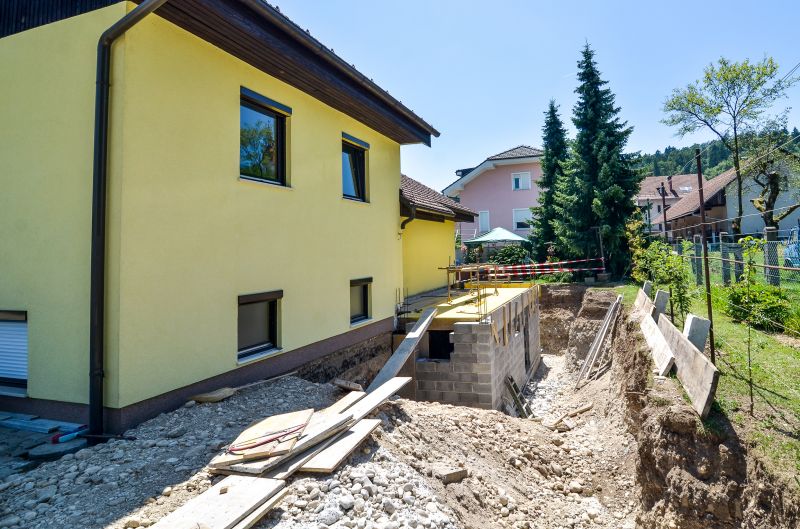 Foundation issues can pose significant challenges for homeowners, especially in regions like Norwalk, OH where soil conditions and weather patterns may contribute to shifting or settling foundations. Addressing these concerns requires a variety of specialized products designed to stabilize, lift, or reinforce the foundation structure. From underpinning systems to epoxy injections, there are numerous options available to suit different types of foundation problems and construction scenarios.
Top Overall Option
Polyurethane Foam Injection System
Polyurethane foam injection systems are versatile and commonly used to lift and stabilize sunken or uneven concrete slabs and foundations. These systems work by injecting expanding foam beneath the foundation or slab, filling voids and restoring support. They are appreciated for their quick application, minimal disruption, and ability to address a range of foundation issues. While not suitable for all types of foundation problems, they offer a non-invasive option for minor to moderate settlement concerns.
Types of Products For Foundation Repairs
Concrete Piering Systems
Used to lift and stabilize sinking foundations by installing concrete piers beneath the structure, providing support in cases of severe settlement.
Steel Piers
Heavy-duty steel piers are driven deep into stable soil layers to support and lift foundations, suitable for significant structural issues.
Helical Piers
Helical piers are screwed into the ground to provide stable support, especially useful in difficult soil conditions or for difficult access areas.
Epoxy Injection Kits
Designed for sealing and repairing cracks in concrete foundations, these kits help restore structural integrity and prevent water intrusion.
Carbon Fiber Reinforcement
Carbon fiber strips or staples reinforce cracked or compromised concrete walls, providing additional strength without extensive demolition.
Mudjacking / Slab Jacking
A process that lifts sunken concrete slabs by pumping a mixture of soil, cement, and other materials underneath, restoring levelness.
Underpinning Piles
Piles driven deep into the ground to support and stabilize foundations, especially in cases of extensive settlement or poor soil conditions.
Grout and Sealants
Used to fill small cracks and voids in concrete, helping to prevent water infiltration and further deterioration.
Foundation Braces and Wall Supports
Structural supports installed to prevent or stop bowing or leaning walls, enhancing stability.
Drainage Systems
Effective drainage solutions help reduce soil moisture fluctuations that can cause foundation movement, including French drains and sump pumps.
Soil Stabilizers
Chemical treatments that improve soil compaction and stability, reducing the risk of foundation shifting due to soil movement.
Vapor Barriers
Installed in crawl spaces to prevent moisture buildup, which can weaken foundation supports over time.
Foundation Repair Anchors
Metal anchors installed through the foundation wall to stabilize bowing or leaning walls and prevent further movement.
Popular Choices
Widely used for quick stabilization and lifting of concrete slabs, these kits are popular for minor repairs and DIY projects.
Commonly selected for significant settlement issues, these systems provide long-term support for sinking structures.
A go-to solution for sealing cracks and preventing water ingress, often chosen for their ease of use and effectiveness.
Preferred for their strength and durability in supporting heavy structures, especially in challenging soil conditions.
Popular for restoring levelness to uneven concrete slabs, especially driveways and sidewalks.
Chosen for repairing cracked basement walls without extensive demolition, offering added strength.
Effective drainage products are frequently used to manage soil moisture and prevent foundation movement.
A popular choice for difficult soil conditions, providing support with minimal disturbance.
Commonly installed to stabilize bowing or leaning walls, preventing further structural issues.
Frequently used in crawl spaces to control moisture and protect foundation integrity.
Proper selection of foundation repair products depends on understanding the specific nature of the issue, whether it involves cracks, uneven settling, or structural weakness. Many products are designed to be used by professionals, but some DIY-friendly solutions are also available for minor repairs. It is important to evaluate the compatibility of each product with the foundation material, the extent of the damage, and the long-term stability needed.
In Norwalk and surrounding areas, consulting with a foundation specialist can help determine the most appropriate repair approach. The right products can help prevent further damage, improve safety, and maintain the integrity of the building. Regular inspections and timely repairs using suitable products can extend the lifespan of a foundation and reduce the risk of costly future repairs.
Choosing the right foundation repair products involves considering factors such as ease of installation, durability, and the specific type of foundation (concrete, pier and beam, crawl space, etc.). It is also beneficial to select products that have been tested and are compliant with industry standards to ensure reliable performance over time. Investing in quality materials and professional guidance can make a significant difference in achieving a lasting repair.
Key Buying Considerations
- Identify the specific foundation issue to select the most suitable product type.
- Consider the extent and severity of the damage to determine if professional assessment is needed.
- Evaluate the compatibility of repair products with your foundation material, such as concrete or masonry.
- Check for products that meet industry standards and certifications for quality and safety.
- Assess whether the repair solution is temporary or intended for long-term stabilization.
- Determine if the product is suitable for DIY application or requires professional installation.
- Review the ease of use, including preparation, application, and curing times.
- Consider the environmental conditions, such as soil type and moisture levels, which can affect product performance.
- Factor in the size and accessibility of the repair area for selecting appropriately sized products.
- Research the manufacturer’s reputation and customer feedback for reliability and support.
- Estimate the overall cost, including materials, tools, and labor, if applicable.
- Ensure the product can accommodate future inspections or modifications if needed.
- Look for products with clear instructions and safety guidelines to prevent misuse.
- Consider the potential impact on property value and structural safety.
- Check warranty or guarantee options offered by the manufacturer or supplier.